Urgent Action Required to End Leprosy Transmission in India’s Hotspot Areas, Says Health Ministry, ETHealthworld

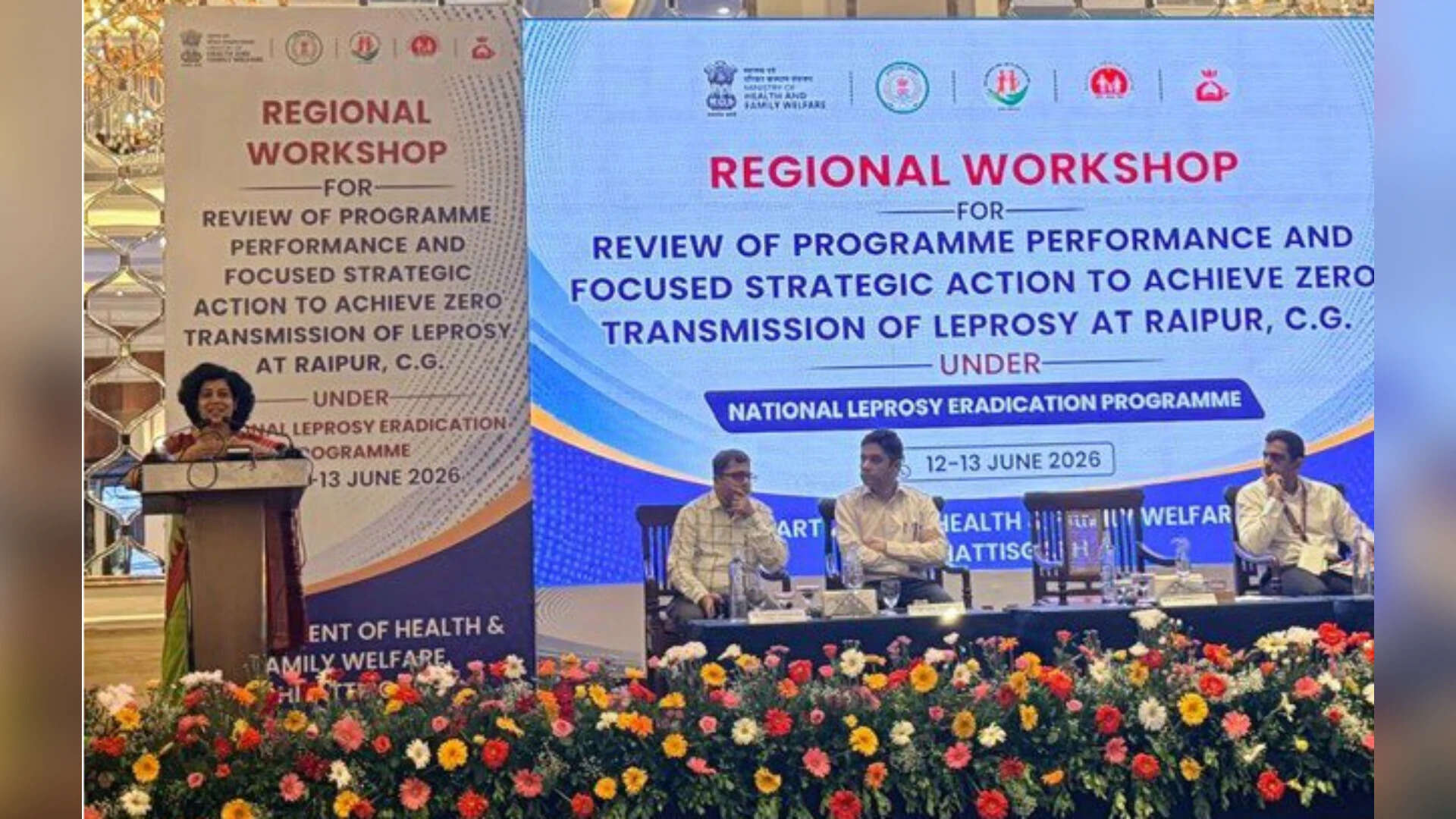
New Delhi: India eliminated leprosy as a public health problem at the national level more than two decades ago, but intensified efforts are still needed in endemic districts and hotspot areas to completely halt transmission, a senior health ministry official said on Friday.
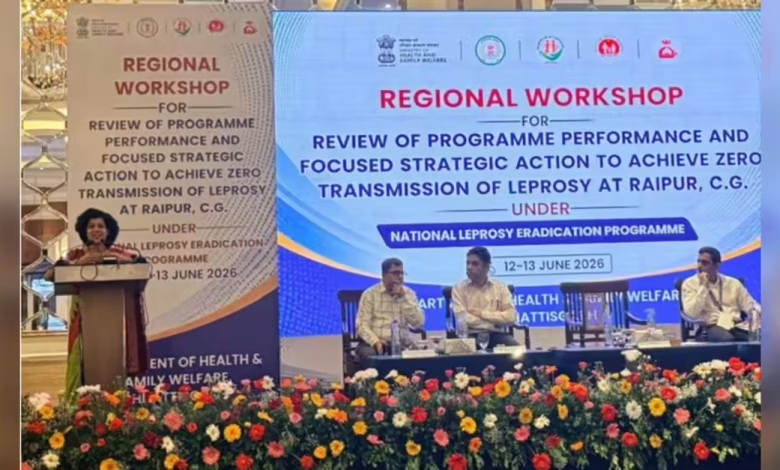
Addressing a regional workshop on review of programme performance and focused strategic action for achieving zero transmission of leprosy, Additional Secretary and Mission Director, National Health Mission (NHM), Aradhana Patnaik, said targeted interventions will be crucial to achieving a leprosy-free India.
“India has made remarkable progress against leprosy, but intensified efforts are needed in endemic areas,” Patnaik said, while noting that transmission continues in several districts despite significant gains made under the National Leprosy Eradication Programme (NLEP).
The two-day workshop, organised by the Union Health Ministry in Nava Raipur, Chhattisgarh, brought together officials from high-burden states to review programme performance and develop state-specific roadmaps for achieving zero transmission, an official statement said.
Patnaik stressed the need for periodic leprosy case detection campaigns in endemic areas, strengthened contact tracing and expansion of post-exposure prophylaxis through single-dose rifampicin (SDR) among eligible healthy contacts of patients.
She said increasing contact screening and prophylaxis coverage, especially among vulnerable and hard-to-reach populations, would be critical for reducing transmission and preventing new infections.
Highlighting the disease burden, Patnaik said Maharashtra, Chhattisgarh, Jharkhand, Odisha and Madhya Pradesh together account for nearly half of India’s leprosy cases.
She noted that several districts in these states continue to report prevalence rates above one case per 10,000 population and stressed that stronger interstate collaboration, intensified surveillance, evidence-based planning and efforts to eliminate stigma associated with the disease would be required to achieve zero transmission.
Deputy Director General (Leprosy) Dr Sunil V Gitte said 91,783 new leprosy cases were detected in India during 2025-26, with a prevalence rate of 0.56 per 10,000 population.
Of the newly detected cases, 4.18 per cent were children and 2.12 per cent had Grade-2 disability at the time of diagnosis, indicating continued transmission and delayed detection in some areas, he said.
Gitte said 1,591 reconstructive surgeries had been performed for persons affected by leprosy as part of disability prevention and rehabilitation efforts. More than 1.03 lakh micro cellular rubber footwear and over 1.25 lakh self-care kits were also distributed to improve quality of life and prevent disabilities.
He said active case detection, intensified contact surveillance, timely treatment, post-exposure prophylaxis, disability prevention and community awareness remain key pillars of the NLEP.
According to officials, the workshop concluded with discussions on focused strategies for districts reporting higher prevalence, greater proportions of child cases and increased Grade-2 disability among the newly detected patients.