Seven in 10 Indians targeted by health scams, social media emerges as top channel: Study, ETHealthworld

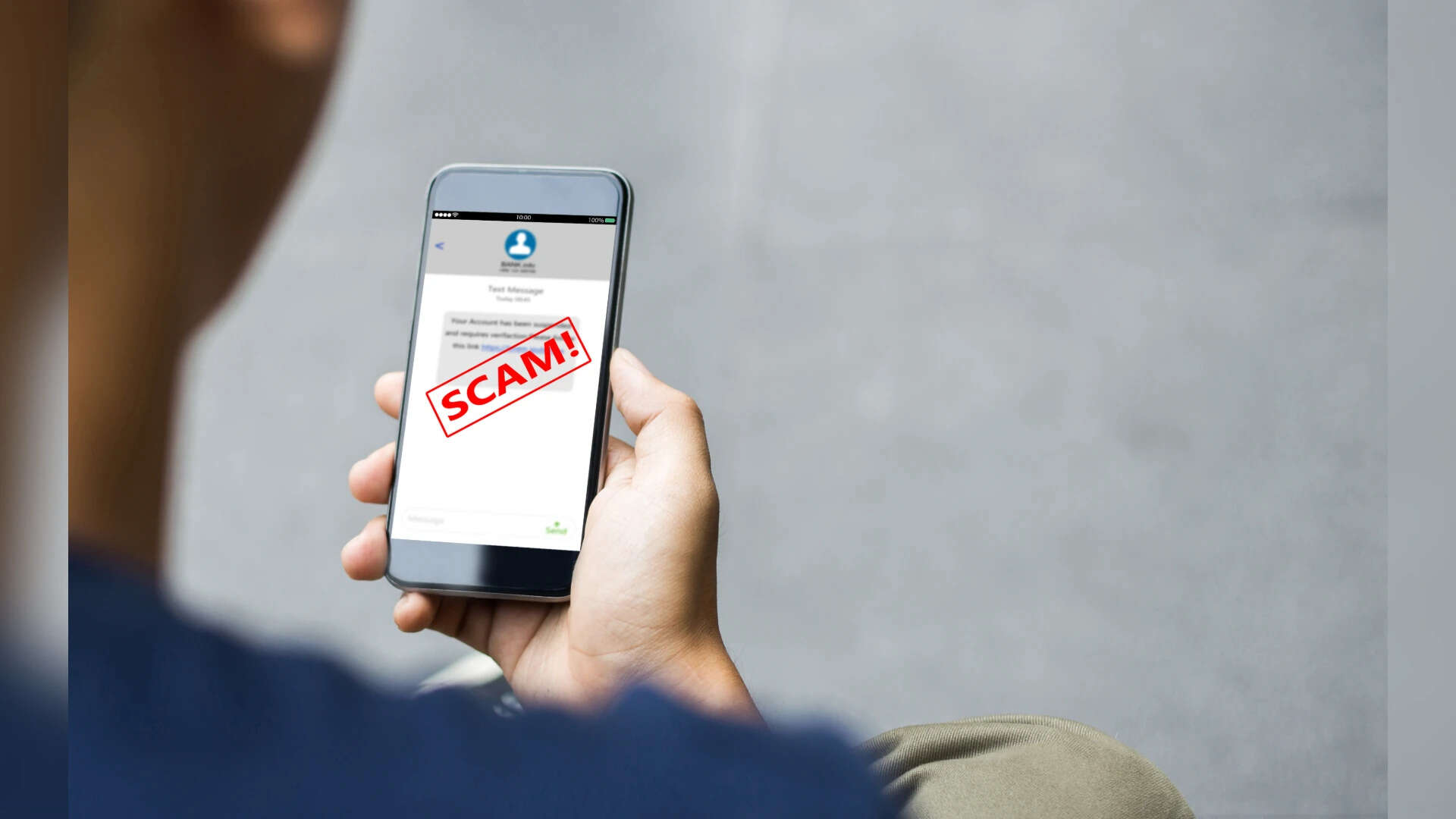
New Delhi: Two-thirds of Indians have encountered a health or wellness scam, according to the McAfee Health and Wellness study. The study also found that 71 per cent of Indians, particularly young adults, have been targeted by health scams that exploit urgency, trust and everyday online behaviour.
Based on a survey of 1,000 adults, the study found that social media has emerged as the leading platform for such scams, followed by messaging apps, phone calls and online advertisements. It also highlighted the growing use of misleading and AI-generated content, including fake celebrity endorsements, to make fraudulent health advice, products and treatments appear more credible.
Nearly one-third of respondents said they had been prompted to take immediate action through tactics such as visiting a website promoted in an advertisement, clicking links shared on social media or messaging apps, downloading an app or file, or scanning a QR code.
The study conducted by cybersecurity firm McAfee noted that health scams are becoming increasingly sophisticated and diverse.
These scams range from fake weight-loss and fitness products to misleading information about diseases or medical products, counterfeit supplements and vitamins, and fraudulent medical treatments or so-called “cures”.
According to the study, scams are no longer confined to suspicious websites or spam emails. Instead, they have spread to social media feeds, messaging platforms, online advertisements and influencer-driven content.
Social media emerged as the most common channel, with 53 per cent of respondents reporting that they had encountered a health scam on these platforms. This was followed by messaging apps such as WhatsApp and Telegram (37 per cent), phone calls (33 per cent), websites or online advertisements (30 per cent), email (26 per cent), online marketplaces (24 per cent), text messages (23 per cent) and in-person interactions (19 per cent).
The study also found that misinformation is increasingly exploiting the trust consumers place in celebrities and influencers by making manipulated health content appear more credible and authentic.
More than half of those surveyed encountered health or wellness content that appeared to be endorsed by a celebrity or public figure but was later revealed or suspected to be fake, misleading or AI-generated.
Pratim Mukherjee, Senior Director – Engineering, McAfee India, said, “Scammers are getting better at making fake health advice, products and offers look credible, especially as AI makes these scams easier to create and harder to spot.”