Post-surgery radiation therapy lowers risk of bladder cancer recurrence, study suggests, ETHealthworld


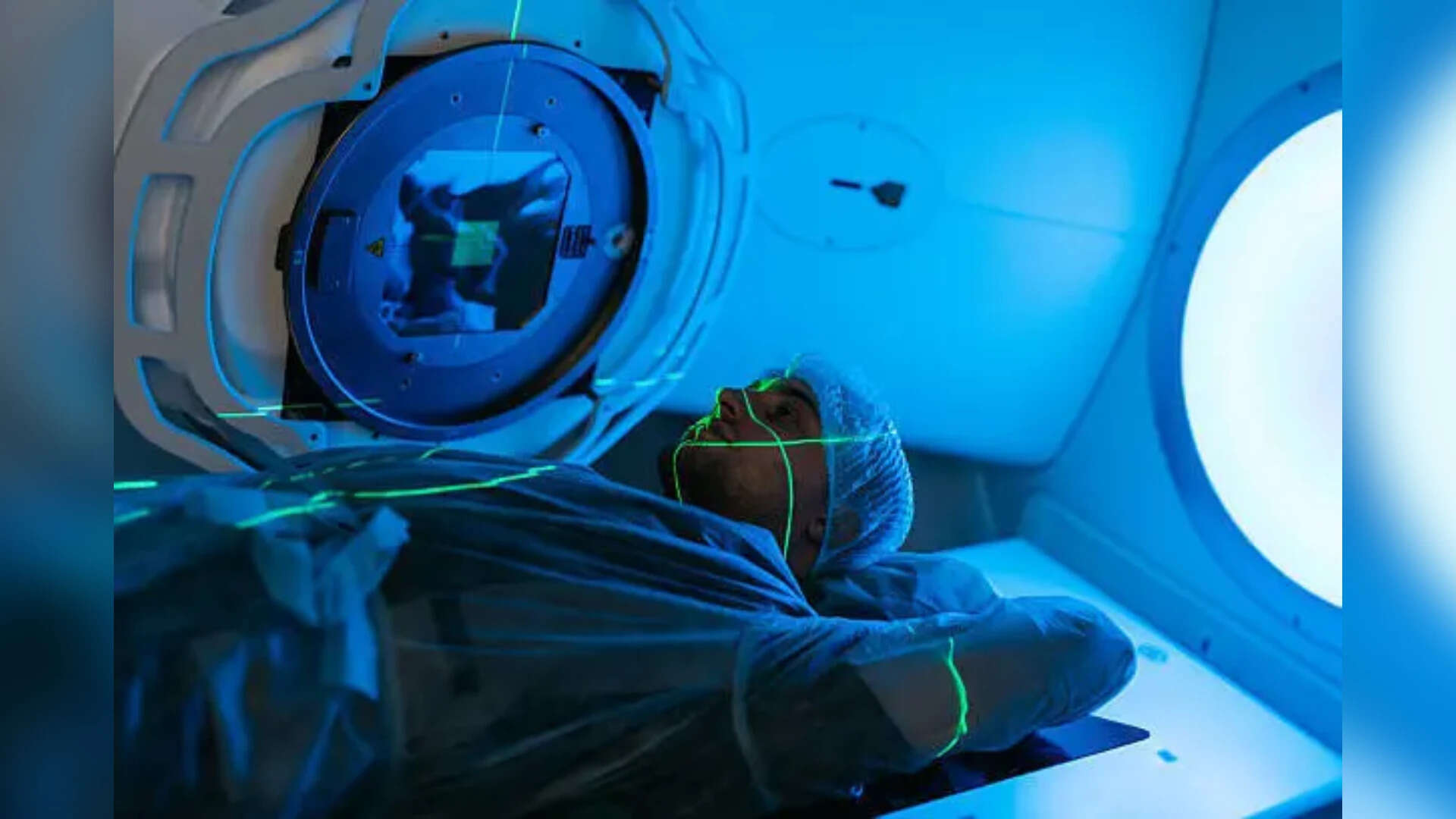
New Delhi: Post-surgery radiation therapy significantly reduces risk of recurrence in patients with high-risk muscle-invasive bladder cancer (MIBC), following a surgical removal of the organ and perioperative chemotherapy, results from a phase-3 clinical trial suggest.
Findings published in the Journal of Clinical Oncology hint at potential benefits for a disease-free and overall survival, even though the effects were not ‘statistically significant’, or meaningful, researchers, led by those from the Tata Memorial Centre in Mumbai, said.
The phase 3 randomised controlled trial was conducted at four academic centres in India, involving 153 patients with nonmetastatic MIBC. Seventy one per cent of the participants were treated with pre-surgery chemotherapy and 20 per cent with post-surgery chemotherapy.
Radiotherapy began within eight weeks of surgery or the last chemotherapy session. After a typical follow-up of 47 months, the primary outcome, a 2-year locoregional recurrence-free survival, was notably higher in the radiotherapy group at 87.1 per cent, compared to 76 per cent in the observation group.
“Adjuvant pelvic IMRT (intensity-modulated radiation therapy) after radical cystectomy and perioperative chemotherapy suggests an improvement in locoregional control in patients with high risk urothelial MIBC with no additional severe toxicity,” the authors wrote.
The radiotherapy arm showed improved rates of disease-free survival (71.6 per cent vs 58.7 per cent), bladder cancer-specific survival (79.6 per cent vs 65 per cent), and overall survival (70.4 per cent vs 57.4 per cent). The rates were not “statistically significant”, or ‘meaningful’.
Of the patients experiencing a disease recurrence, roughly 31 per cent developed distant metastases, with similar rates observed across both study arms. Locoregional recurrence, however, was significantly less frequent among those receiving pelvic radiotherapy (7.9 per cent), compared to those under observation (25.6 per cent), the researchers said.
The authors underscored the potential of adjuvant pelvic IMRT (post-surgery pelvic radiation therapy) to enhance locoregional control with minimal added severe toxicity.
They said that the study’s results bolster the integration of radiotherapy into the adjuvant treatment regimen for patients with high-risk MIBC.
However, it should be noted that 14 patients did not receive the intended radiotherapy, and the absence of immunotherapy in the trial limits the applicability of findings to current clinical practices, the team said.