Affordable Indigenous HPV Testing to Revolutionize Cervical Cancer Screening in India, ETHealthworld

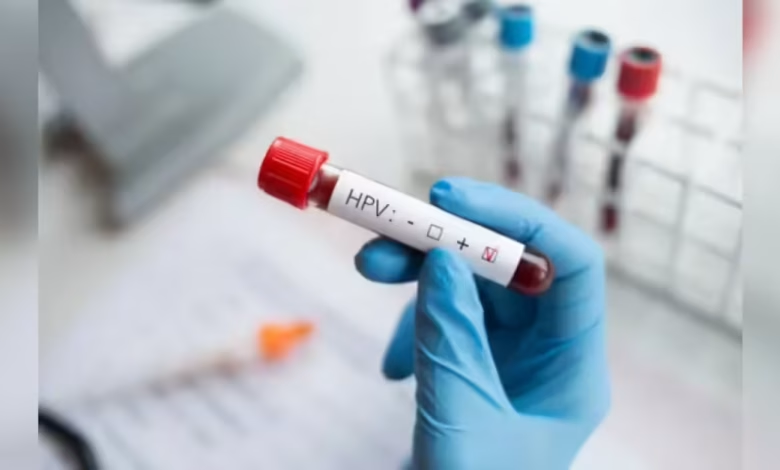
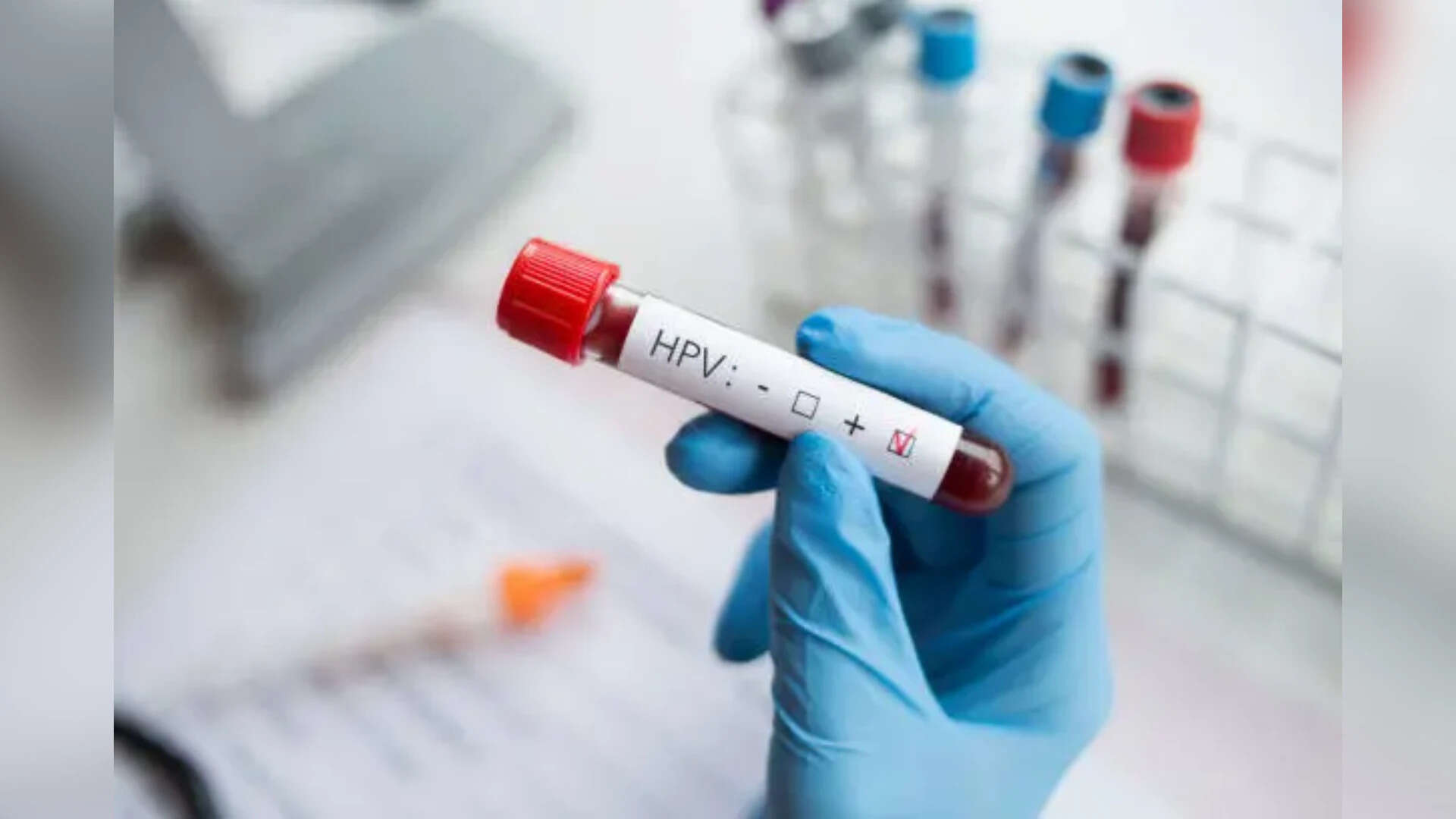
New Delhi: Cervical cancer remains an important public health problem in India, with approximately 127,000 new cases and 80,000 cervical cancer-related deaths reported annually.
According to the release, the regular screening of women over the age of 30 years at 3-5 yearly intervals can detect precancerous and cancerous cervical lesions, but coverage has remained poor despite the inclusion of visual inspection with acetic acid (VIA) in the National Programme for Screening of the 3 common cancers, namely, breast, oral and cervical cancer.
Persistent infection with carcinogenic types of human papillomavirus (cHPV) is the necessary cause of cervical cancer. WHO has recommended transition to HPV testing as the best strategy to achieve cervical cancer elimination, as stated in the release.
Using validated HPV tests, only two rounds of screening at ages 35 and 45 years will be sufficient to achieve cervical cancer elimination. However, most HPV tests are expensive, requiring sophisticated technology, and are not accessible at the last-mile facilities.
A point-of-care (PoC) testing approach for cHPV detection could represent a major breakthrough in affordable diagnostics for early detection and management of cervical cancer, allowing for same-day treatment of positive cases, as per the release.
The PoC tests have potential for scalability as a low-cost screening tool in India and low and middle-income countries (LMICs), according to a new multi-centre study published in the International Journal of Cancer.
The study was conducted across premier institutions, including AIIMS New Delhi; ICMR-National Institute of Cancer Prevention and Research, Noida (NICPR); and ICMR-National Institute for Research in Reproductive and Child Health (NIRRCH), Mumbai, in collaboration with WHO-International Agency for Research on Cancer (IARC), France, and supported by DBT-BIRAC Grand Challenges India.
The objective was to evaluate the indigenous HPV DNA testing platforms for use in primary cervical cancer screening. While several Indian tests have been developed, they have not been validated by the international standards laid down by the WHO. Four point-of-care tests were evaluated, and two have been found suitable for use in the National Programme.
Dr Neerja Bhatla, Professor Emeritus, NCI and Former Head of Department of Obstetrics & Gynaecology at AIIMS New Delhi, lead author and coordinator of the study, stated that the study is among the first to apply the WHO Target Product Profile (TPP) and IARC criteria to evaluate reduced-valency HPV assays to tests developed in India.
The first step was to suggest the development of HPV tests with the 8 most common HPV types seen in cervical cancer, which could be performed in district and subdistrict-level facilities and require minimal training and expertise. These innovations aimed to overcome limitations of existing tests, which were largely developed in high-income settings and target a broader range of HPV types, increasing cost and complexity.
“This study demonstrates that indigenous platforms can achieve clinical validation, quality standards, and accuracy comparable to global gold-standard tests. It will be a game-changer for cervical cancer prevention and early detection in India,” Dr Bhatla said.
Dr. Shalini Singh, Director, ICMR-NICPR, reiterated that HPV DNA testing of women at age 35 and again by age 45 is central to WHO’s cervical cancer elimination strategy. However, high costs hinder widespread implementation in LMICs. “Affordable indigenous solutions are essential to expand screening coverage and reduce disease burden,” she emphasised.
Dr Showket Hussain, one of the corresponding authors, highlighted that the validated platform has strong potential for nationwide integration into screening programmes, as district-level personnel are already familiar with their use. He added that future advancements, such as self-sampling and high-throughput adaptations, could further enhance accessibility.
The findings are expected to support India’s cervical cancer elimination goals while offering a scalable model for other low-resource settings globally. While HPV vaccination, recently introduced as a National Campaign, will make a remarkable difference for the younger generation, there is an urgent need to incorporate HPV testing for more effective screening of women aged >30 years who are at risk of cervical cancer.