The long-awaited deal to reopen the Strait of Hormuz brought quick relief to the oil market, sending prices to their lowest levels since early March.
Getting substantial amounts of oil and gas flowing, however, will take much longer.
It can take weeks or months, even in the best of times, to get oil and gas from wells in the Persian Gulf to buyers in China or Japan.
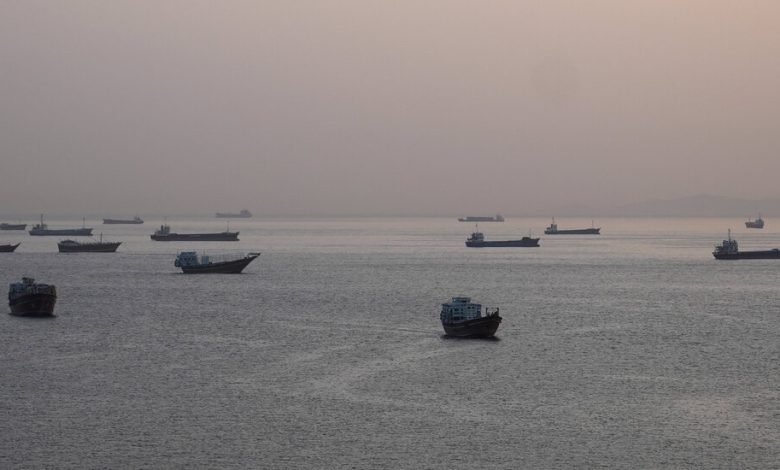
The first big test for whether the deal will work is whether it gives shipping companies enough confidence to send their vessels through the strait, a narrow waterway separating Iran from the Arabian Peninsula. If they do, tankers that have been stranded in the Persian Gulf will be able to bring much needed fuel to buyers around world.
What comes after that will depend a lot on how long companies think the reopening will last. The United States and Iran agreed to a 60-day truce during which they would try to reach a broader agreement on Iran’s nuclear weapons program and U.S. sanctions against the country.
That should be enough for empty vessels that are near the strait to make the journey to ports in countries like Iraq or Kuwait and back out again. But it might be a tougher calculus for tankers farther away, particularly if shipowners have doubts about the durability of the deal.
Another big question is whether oil and natural gas producers in the Gulf will have the confidence to begin the difficult work of bringing wells, refineries and other infrastructure back online.
All told, Gulf countries slashed up to 15 million barrels a day of oil production this spring, or nearly 15 percent of global supply, according to S&P Global Energy.
“You’re talking about six to 12 months to be able to find some sort of equilibrium,” Wael Sawan, chief executive of the London-based oil giant Shell, said in an interview with The New York Times last month. “This assumes everything comes back onstream quickly, which is challenging because some of the infrastructure has been damaged.”
That is not to say that fuel will remain this pricey for the better part of a year. If the deal holds and is extended, oil prices will most likely remain much lower than they were at the height of the conflict, helping to bring down prices at the pump.
That said, it is unlikely that the prices of gasoline, diesel and other fuels will return to prewar levels anytime soon, even in countries like the United States that are not facing shortages. Asian and European countries where many energy users struggled at times to get enough fuel will face a long wait, given how long it takes for tankers to move around the world; refineries to turn crude into the products used in cars, trucks and planes; and local distribution networks to get it to where it is needed.
“It will take at least four months to get back to 80 percent of pre-conflict flows,” Sultan Ahmed Al Jaber, who leads the Abu Dhabi National Oil Company, told the Atlantic Council in May. “Full flows will not return before the first or even second quarter of 2027.”
Already, high oil prices have taken a big toll on oil demand, which has fallen more than in any period besides the Covid-19 pandemic, according to S&P Global Energy. The research firm estimated that global consumption of oil and related fuels would fall nearly 5 percent in the second quarter. The International Energy Agency forecast a more modest demand drop.
The longer-term implications of the crisis will depend “on where Iran ends up and how comfortable the world is — what assurances they have that the flows will remain uninterrupted,” Darren Woods, chief executive of Exxon Mobil, told analysts in a conference call last month.