IIT Bombay Researchers Discover New Mechanism to Combat Cholesterol and Fatty Liver Disease, ETHealthworld


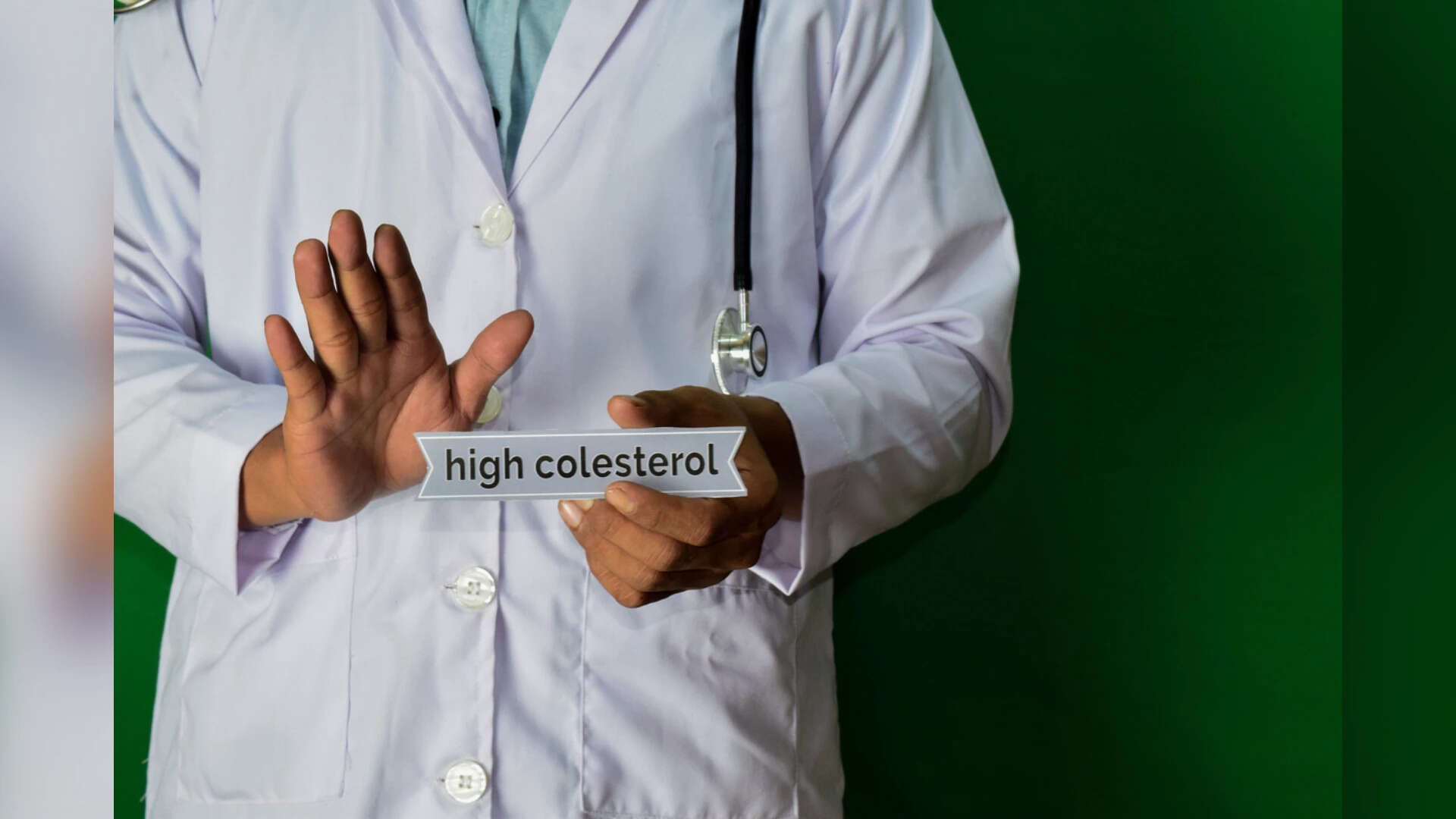
Mumbai: Researchers from IIT B and partner institutes have discovered a cellular mechanism that reduces the liver’s release of harmful blood lipids without triggering fat accumulation, opening a potential new avenue for treating cholesterol, triglyceride and fatty liver disorders.
The mechanism can interrupt VLDL (very low-density lipoproteins) release from the liver by targeting the physical movement of lipid droplets instead of enzymes, receptors, or genes traditionally used for lowering lipids in the bloodstream, said the researchers.
IIT B researchers collaborated with the Indian Institute of Science Education and Research (IISER) Pune and IISER Kolkata for this study.
Interrupting this cellular mechanism does not cause lipid buildup in the liver – a critical safety advantage for future drug development, said the Indian Institute of Technology (IIT) Bombay.
The findings open a potential new avenue for treating disorders such as high cholesterol and high triglycerides, as well as conditions like fatty liver disease, it said.
Professor Roop Mallik’s laboratory at the Department of Biosciences and Bioengineering at the IIT Bombay has been studying this lipid-transport process for more than a decade.
“Earlier work from our group showed that the motor protein kinesin-1 specifically drives lipid droplets towards the edge of the cell where VLDLs are assembled and released in the bloodstream,” explained Prof. Mallik, who led the research.
The breakthrough came when Prof Mallik’s team discovered earlier that the tail region (amino acids present at the end region of a protein sequence) of the kinesin-1 protein disrupted the positioning of lipid droplets in liver cells without affecting other cell organelles.
Researchers found that this difference is rooted in the structural features of the organelles, which are specialised structures inside a cell that perform specific functions, much like organs do in the human body.
“Most membranes inside cells are made of a double-layer structure called a bilayer. But lipid droplets are unique because they are surrounded by a single-layer membrane, called a monolayer,” Dr Archisman Mahapatra, co-first author of the study, explained.
Building on this foundation, Prof Mallik’s team identified a short peptide (a short chain of amino acids) called KTDP, derived from the tail region of kinesin-1, to selectively block the protein from attaching to lipid droplets.
Working with Prof Neelanjana Sengupta’s lab at IISER Kolkata, the researchers used computer simulations and identified that KTDP forms a significantly stronger and more stable bond with the unique monolayer surfaces of lipid droplets than with standard bilayer cell membranes.
The team then tested the impact of KTDP in cultured rat liver cells, which naturally secrete VLDL particles, making them a useful model for studying fat metabolism.
After the findings in cultured rat cells, researchers utilised zebrafish as a model organism owing to their human-like lipoprotein systems, said IIT B.
Since zebrafish larvae are almost transparent, the researchers could directly visualise these lipids under the microscope without harming the animals.
The work is at a preclinical stage, requiring future studies to assess long-term safety, optimise peptide delivery, and evaluate efficacy in mammals. However, the study points toward a promising direction that has so far received little attention in the treatment of metabolic diseases, it said.
“Current therapies are effective at lowering cholesterol, but options for reducing triglycerides remain limited. We believe this work could eventually contribute to new strategies for addressing that challenge,” added Prof. Mallik.